

June weather in Northern Colorado is spectacular, but the sudden shift from spring rain to baking summer heat does weird things to the air inside your house. We are famous for our bone-dry climate. While that low humidity makes an afternoon on the patio gorgeous, it forces the wood materials in your home to adapt constantly.
Laminate flooring behaves a lot like a sponge. When the windows stay open and the swamp cooler pumps moisture into the rooms, the planks absorb that water vapor and swell. Then the dry July heat waves arrive, the indoor air dries out, and those same planks shrink right back down.
This constant tug-of-war is exactly why professional installers leave an intentional gap around the perimeter of the room. Without that breathing room hidden beneath your baseboards, your beautiful new floor will eventually turn into a warped, buckling mess.
Why Expansion Gaps Are Mandatory around Fort Collins
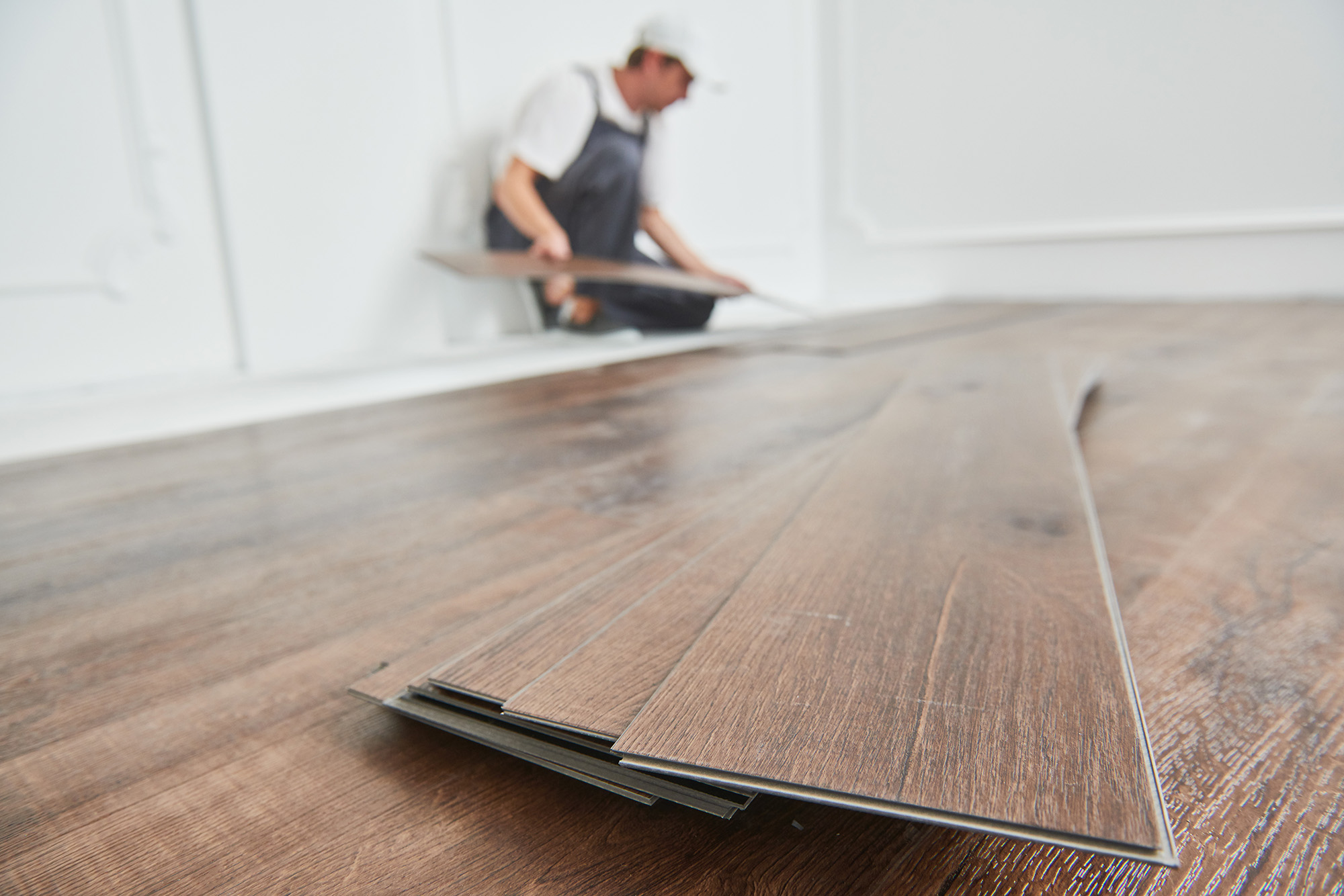
Laminate flooring is a floating system, meaning the planks lock together but never attach to the subfloor underneath. The entire floor moves as a single solid unit.
When local humidity spikes during a wet week, a room full of laminate can easily expand by a fraction of an inch across the whole layout. If the planks run completely flush against your drywall, they run out of track. With nowhere else to go, the boards press against each other and push upward, creating unsightly ridges and soft, bouncy spots underfoot.
Leaving a precise gap—usually between a quarter-inch and three-eighths of an inch—gives the floor safety clearance to grow and shrink through every seasonal swing. Once the baseboards and quarter-round molding are nailed to the wall, that gap disappears from view completely.
The Danger of Summer Acclimation Mistakes
The biggest flooring blunders happen before the first plank even snaps together. Tossing boxes of laminate straight from a delivery truck onto your subfloor and installing them the same day is a recipe for disaster.
New flooring needs time to introduce itself to your home’s unique ecosystem. Acclimation simply means letting the materials sit unboxed in the room for at least 48 hours to match the indoor temperature and humidity levels.
Installing planks that are swollen from a damp warehouse directly into a dry, air-conditioned living room in Loveland means they will shrink drastically over the next month. You will end up with wide, ugly gaps between the boards that catch dirt and ruin the look of the floor. Letting them adjust first ensures the cuts made on day one stay accurate for decades.
Checking the Trims: Expansion gaps don't just sit at the walls. They are required around any heavy fixed object, including kitchen islands, fireplace hearths, and doorway transitions.
Choosing Your Laminate Floor
Understanding how different laminate cores handle the unique front-range climate requires touching the materials and seeing how they fit your space. Guessing based on a tiny digital image online usually ends in frustration. To make your life simple, we offer two convenient ways to see our climate-tested laminate boards in person.
Your first option is to swing by our Loveland showroom location. It gives you a chance to check out our wide selection of realistic wood-look options, pick up some physical samples, and chat through the installation process with our local team.
Your second option is to let us do the driving. Our mobile showroom can head right to your home in Windsor, Fort Collins, or Loveland with a van full of realistic planks. This allows you to lay the laminate directly on your own floor, compare the grain patterns next to your cabinetry, and see how the colors look in the actual sunlight streaming through your windows.
Contact us to get the mobile showroom scheduled for your home, or stop in and see us at our Loveland location this week.


