

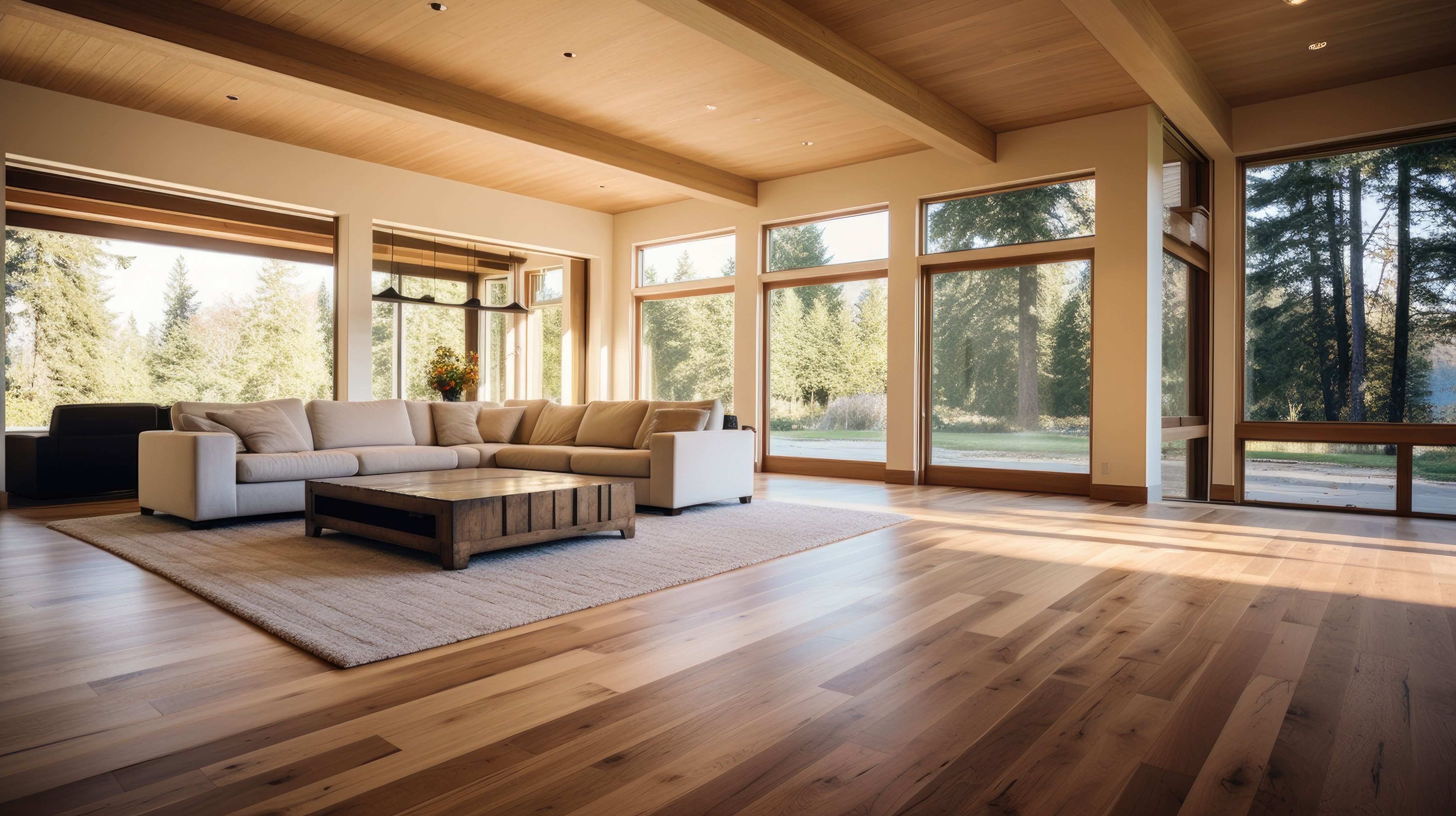
Clearing space for a cozy reading nook or pulling a massive new sectional into your living room instantly updates your home layout. But sliding those heavy pieces across the room can quickly turn into a high-stress situation.
Laminate flooring holds a well-deserved reputation for resisting daily wear, but it isn't completely bulletproof.
When you place substantial items like solid oak bookshelves, loaded dressers, or a fully occupied reclining couch directly onto your floors, you put the material under immense localized pressure. Over time, this concentrated weight can cause deep scratches, unsightly scuffs, or even permanent structural damage.
Protecting your investment doesn't mean you have to settle for lightweight plastic furniture. A few simple, proactive steps can keep your laminate planks looking flawless while fully supporting your heaviest home decor.
The Hidden Threat of Static Weight and Friction
While laminate features a tough, aluminum-oxide top wear layer designed to shrug off sliding dog paws and busy foot traffic, it faces a different kind of stress from heavy household items. The damage usually happens in one of two ways: friction during movement, or long-term static pressure.
When a heavy bookshelf or couch is dragged even a fraction of an inch during cleaning or rearranging, any tiny grain of tracked-in trail grit trapped underneath the legs acts like sandpaper. It gouges straight through the clear protective layer, leaving dull, white scrape marks that ruin the wood-look finish.
Static pressure is the other culprit. The raw, sharp bottoms of heavy furniture legs—especially those with cheap plastic glides or exposed metal screws—can slowly crush the core fibers of the laminate underneath. This concentrated weight can cause the planks to dent or even crack, which is a major headache to repair since laminate cannot be sanded down and refinished like solid hardwood.
Easy Ways to Shield Your Planks From Heavy Furniture
Guarding your floors against heavy weights is remarkably straightforward and inexpensive. Taking these precautions during your next room layout update will save you from costly plank replacements down the road.
Ditch the Plastic and Metal Glides: Most factory-installed furniture legs come with hard plastic or metal caps on the bottom. These materials are notorious for scratching laminate. Pry them off and replace them with heavy-duty, stick-on felt pads.
Opt for Extra-Wide Coasters: For exceptionally heavy items like pianos or solid wood china cabinets, standard felt pads can compress completely flat over time. Use wide, rigid furniture cups or caster cups made of wood or heavy-duty rubber with felt bottoms to distribute the weight over a much larger surface area.
Never Drag, Always Lift: It sounds obvious, but when it is time to clean behind the couch, dragging it is always tempting. Instead, grab a partner and lift the piece entirely off the ground, or use specialized furniture sliders designed specifically for hard surfaces to glide the weight smoothly across the room.
Keep Your Floors Clean: Dusting and sweeping regularly prevents the buildup of fine dirt particles. If the floor is clean, a slight nudge of a chair leg won't trap abrasive grit against the laminate surface.
A Quick Tip on Rugs: Placing a large area rug under your main seating arrangement adds an immediate, stylish layer of protection. Just make sure to use a high-quality, non-rubber rug pad beneath it to prevent the rug itself from sliding and scratching the floor.
Shopping for Dent-Resistant Laminate
If you are currently shopping for new floors and know you have heavy furniture, you can prevent these headaches before the first plank is ever laid. You just need to look at two critical specifications on the box.
First, check the AC (Abrasion Criteria) Rating. This is an industry-standard durability scale from 1 to 5. While AC3 is perfectly fine for standard bedrooms, you should hunt for AC4 or AC5 laminate for high-traffic living rooms and heavy furniture zones. These ratings represent commercial-grade wear layers that are highly resistant to scraping and impact.
Second, ask about the core construction. Budget laminates often use Medium-Density Fiberboard (MDF) cores, which can compress under extreme weight. Premium laminates utilize High-Density Fiberboard (HDF) cores. Because HDF is packed under immense heat and pressure, the fibers are incredibly dense, making the planks highly resistant to deep dents from heavy static loads.
Let's Find the Perfect Match for Your Living Room
Selecting the right laminate style to match your favorite heavy furniture pieces shouldn't involve guesswork. If you want to see how different wood grains and textures look next to your actual wood finishes, we make the shopping process simple and stress-free.
You can visit our storefront showroom in Loveland to explore our complete inventory of durable, HDF-core laminate options and discuss structural performance with our local team. It is a fantastic way to compare a massive variety of realistic styles side by side.
If your schedule is already packed, let us bring the showroom directly to your home. Our mobile van can load up a curated selection of climate-tested, scratch-resistant laminate samples and drive right to your driveway in Fort Collins, Loveland, or Windsor. Whichever option you choose, you can lay the planks directly next to your bookshelves and couches to see how the colors look under your actual home lighting before making a final decision.
Contact us to get a mobile showroom visit on the calendar, or stop in and see us at the Loveland store today.


